

How AI and Machine Learning Are Changing Casinos

Article by
Updated by Jacob Evans Feb 17, 2026
Verdict: How AI Is Really Changing Casinos
AI and machine learning already run much of the modern casino, from personalised offers and smart slots to fraud detection and safer‑gambling tools. Used well, they make play smoother and more secure. Used badly, they quietly push vulnerable players to keep betting. The technology is powerful; the difference is whether operators choose “tool” or “trap”.
Key takeaways
- AI powers personalised lobbies, VIP treatment, game recommendations, and bonus offers.
- The same systems spot fraud, collusion, money laundering, and early signs of problem gambling.
- Adaptive slots and data‑driven marketing can nudge players to stay longer and spend more.
- Regulators are starting to demand audits, explainability, and stronger data‑protection rules.
- Players should treat personalisation as a red flag to set limits and use safer‑gambling tools.
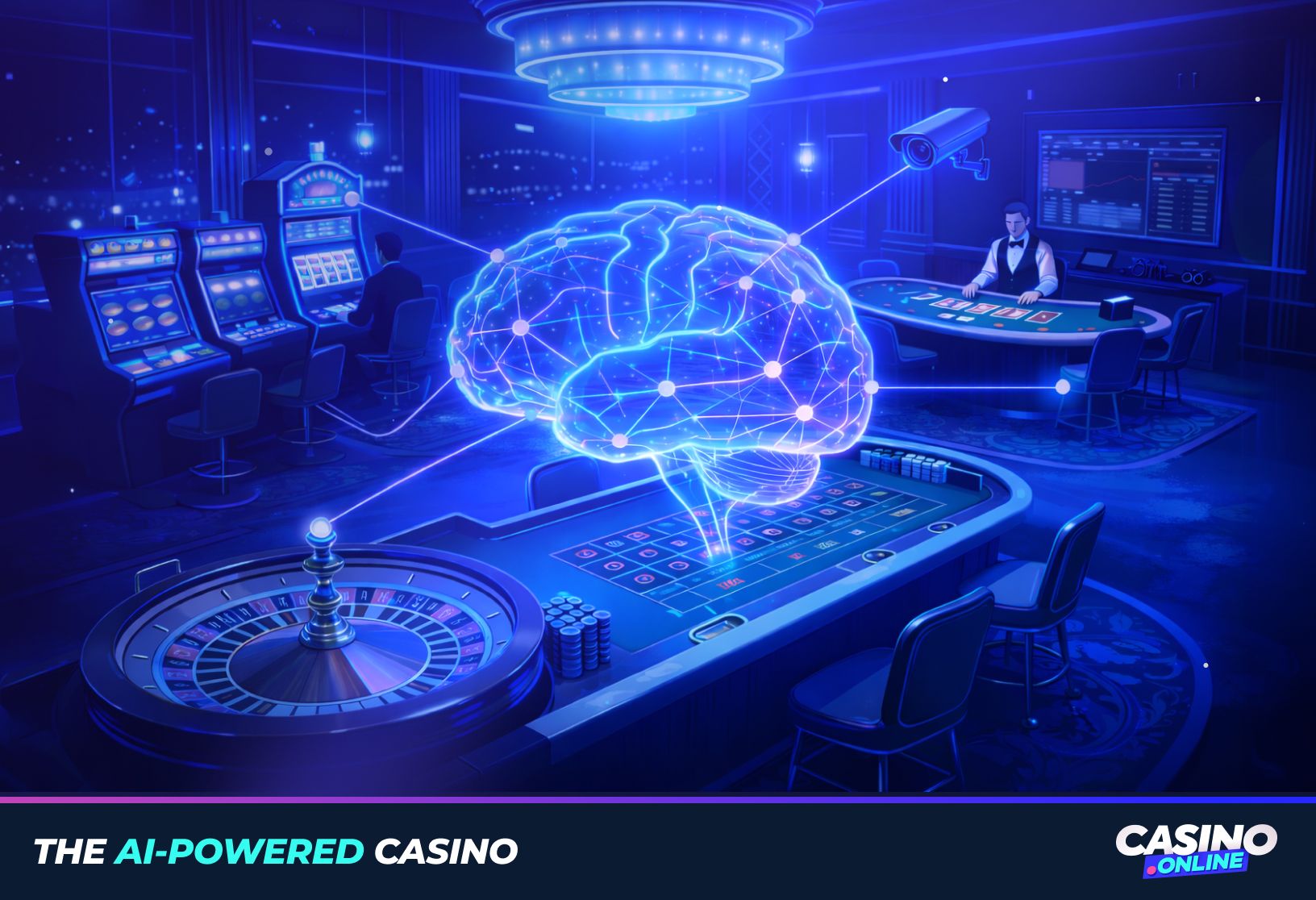
Step inside any modern casino, whether you are ducking under the chandeliers of Monte Carlo or loading up your go‑to online slot site, and you are not just gambling with chips. You are interacting with a digital brain. Artificial Intelligence (AI) and Machine Learning (ML) have moved from buzzwords to backbones of the gambling world, transforming nearly every part of the experience. As someone who has clocked thousands of hours analysing these shifts from both the casino pit and the back‑end server, this is not science fiction. It is happening now, and it is reshaping the house edge.
This piece sits alongside wider research into how AI and ML are changing the gaming industry, from game design and marketing to operations, security, and regulation. Think of the formal research as the match tactics board in the dressing room. This article is the view from the pitch, showing how those strategies play out on the felt and the slot floor in real time.
From Cold Data to Warm Welcomes: Personalisation Like Never Before
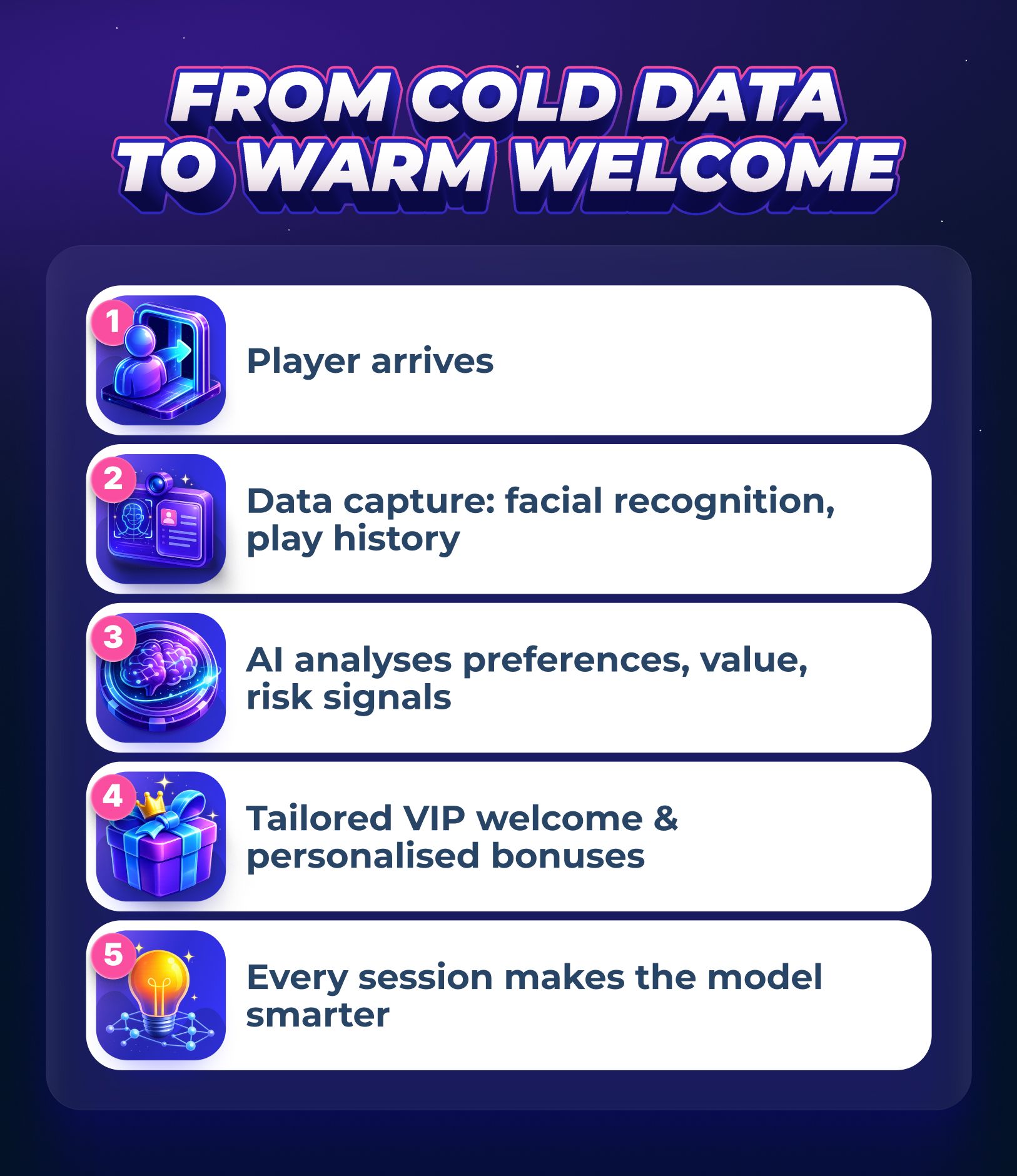
Let me paint a picture. During a recent walkthrough of a flagship European casino, I watched a guest walk in and be greeted by name. Within minutes, he had his favourite cocktail in hand and was led to his preferred poker table. The staff had not memorised his quirks. They were getting a boost from facial recognition and behavioural data.
Here, AI works like a digital concierge. It recognises high‑value players, notes preferences, and adjusts experiences in real time. What used to be manual VIP treatment is now algorithmically turbocharged.
Online, it is even more uncanny. Platforms track every spin, hesitation, and game switch. One moment you are playing Book of Dead, and moments later your homepage lights up with similar Egyptian‑themed slots. I have reviewed retention dashboards where personalised recommendations alone increased engagement by more than 30%, according to internal numbers and vendor case studies.
What stands out to me as a player is the subtlety. The experience feels frictionless. You do not feel stalked by a robot. You feel understood. When it is done well, it is more Fleetwood Mac than Black Sabbath, smooth, familiar, and just catchy enough to keep you humming along.
AI as the New Pit Boss: Security, Fair Play, and Regulation
Casinos have always been cat‑and‑mouse games when it comes to fraud, but AI has changed the game board. I have stress‑tested these systems myself, setting up duplicate accounts, mirroring betting patterns, the whole nine yards. Within minutes, the AI flagged me.
Modern systems detect collusion at poker tables, spot suspicious win patterns, and validate IDs with facial mapping. Fraud‑related losses on platforms using AI have reportedly dropped by nearly 40 per cent, based on figures shared in industry case studies and operator reports.
It is not just about playing cop. AI also helps casinos stay on the right side of the law. It flags potential money laundering and can detect behavioural signs of gambling addiction. I have seen it firsthand: players showing signs of chasing losses were proactively nudged by the system to take a break.
Used this way, AI genuinely protects the game. As any darts player knows, though, there is a fine line between a perfect grouping and a wild deflection. Protection can quickly slide into intrusion if nobody is watching the watcher.
Your Slot Machine Is Smarter Than It Looks
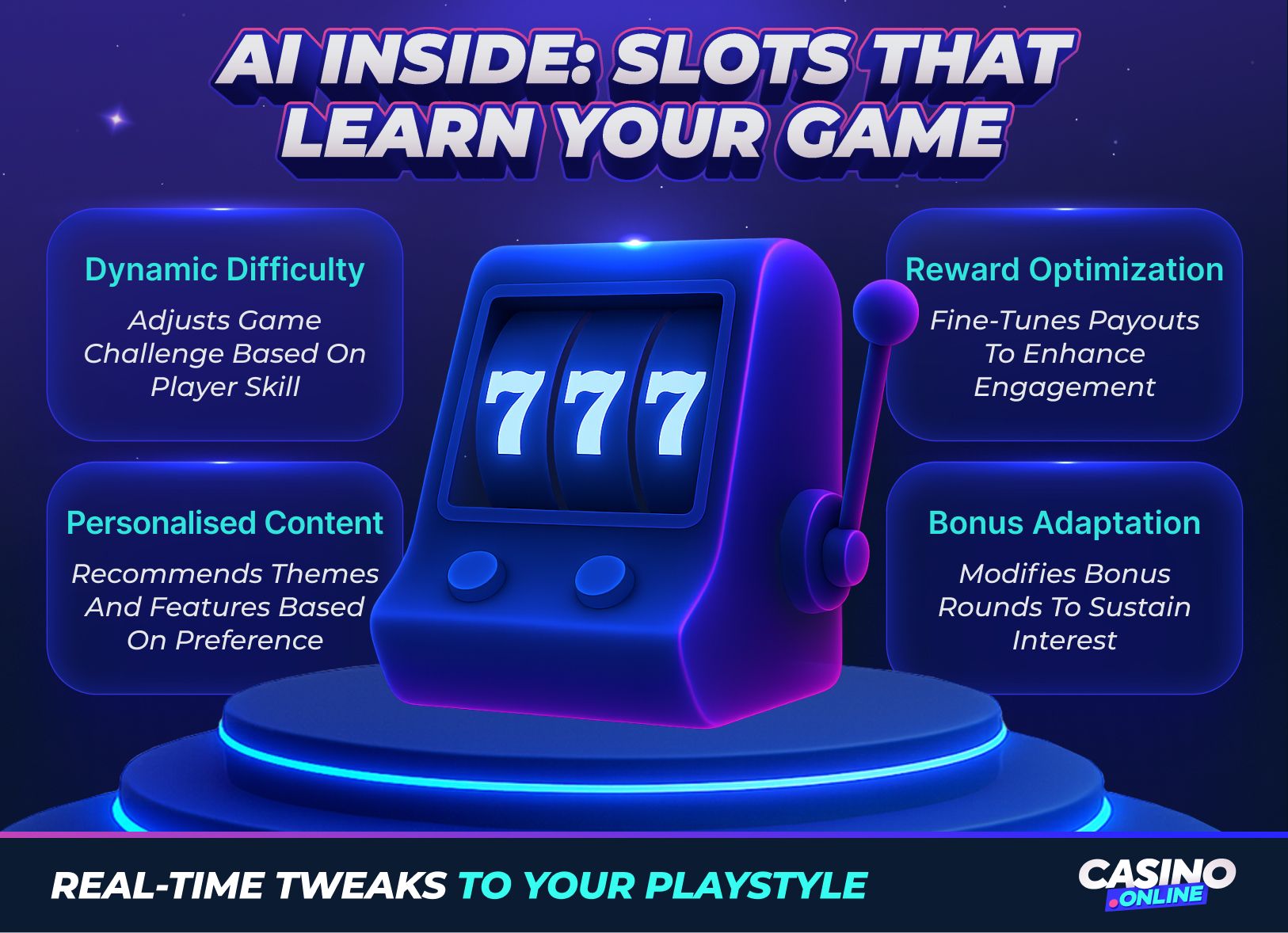
If you have ever felt as though a slot machine was “learning” how to keep you spinning, you are not wrong. New‑generation games can adapt apparent difficulty, bonus frequency, and even theme transitions based on your behaviour around them, even though the underlying game outcomes still rely on random number generators.
One machine I tested subtly increased bonus frequency when my session length dropped, clearly trying to keep me engaged. It is easy to shrug this off as clever design, but it raises bigger questions about manipulation. If Radiohead wrote a slot, it would be this sort of thing, beautiful, clever, and slightly unsettling once you read the lyrics.
Brick‑and‑mortar casinos are also jumping in. Companies such as nQube use ML algorithms to work out which slot goes where on the floor for maximum yield. The difference is not small. Some layouts reportedly saw a 15% revenue bump after reconfiguration, according to operator data shared behind closed doors.
If you want to see how physical design and psychology combine with this kind of data science, our casino architecture and design psychology guide joins the dots.
Behind the Curtain: Operations Get a Tech Upgrade
The operational side is where AI has quietly been a miracle worker. Predictive maintenance lets casinos know when a machine is about to go haywire. Staff schedules are adjusted based on foot traffic forecasts. Even chip inventory gets optimised.
I sat with an operator who said his staffing costs dropped 20% after switching to an AI‑driven schedule planner. Another told me he had not had a single unplanned machine outage in more than six months.
That may not make headlines, but on the floor, it is revolutionary. It is the rugby equivalent of a rock‑solid set‑piece. The punters notice the tries, but the match is usually won in the boring, disciplined work you do up front.
The Marketing Arms Race: Engagement or Exploitation?
AI does not stop at operations. It is the brain behind marketing, too. Segmented emails, push notifications, and free spin incentives are all crafted by algorithms that know when you are likely to log off, how long you have been dormant, or when payday rolls around.
In theory, this makes for better marketing. As someone who has audited these campaigns, I've found that AI‑tuned messages routinely outperform the shotgun approach. Reactivation rates can skyrocket in the right hands.
Here is where the ethical alarm starts ringing. These tools can be misused. I have seen data where players flagged as at risk were still sent promos. That is not engagement. That is exploitation. It is the moment the encore turns into a feedback squeal, and the crowd starts heading for the exits.
Balancing the Ledger: Benefits vs Risks of AI in Casinos
AI and ML are neither heroes nor villains. They are amplifiers. They turn up whatever signal the operator has chosen to broadcast.
On the benefits side of the ledger:
- Sharper personalisation that makes players feel recognised, not just processed.
- Stronger fraud and collusion detection that protects both operator and honest players.
- Smoother operations, with fewer outages, better staffing, and more efficient floor layouts.
- Smarter marketing that can send the right offer at the right time instead of spam‑spraying the entire database.
- Earlier spotting of risky, chasing‑loss behaviour, giving more chances to intervene before someone goes over the edge.
On the risks side:
- Behavioural nudging that goes beyond entertainment into subtle pressure to keep playing.
- Hyper‑targeted offers aimed precisely at moments of vulnerability, tired, tipsy, emotional, or chasing losses.
- Opaque “black box” decisions about who gets what offers or limits, with little transparency to the player.
- Over‑reliance on data that might build in bias or blind spots, for example, missing less obvious forms of harm.
- A cultural drift where lifetime value quietly matters more than long‑term well-being.

Opinion of Andrew Collins
“For every operator using AI as a safety net, there is another tempted to use it like a spear. The technology is the same. The intent and the guardrails are what matter.”
Regulation, Oversight, and the New Playbook
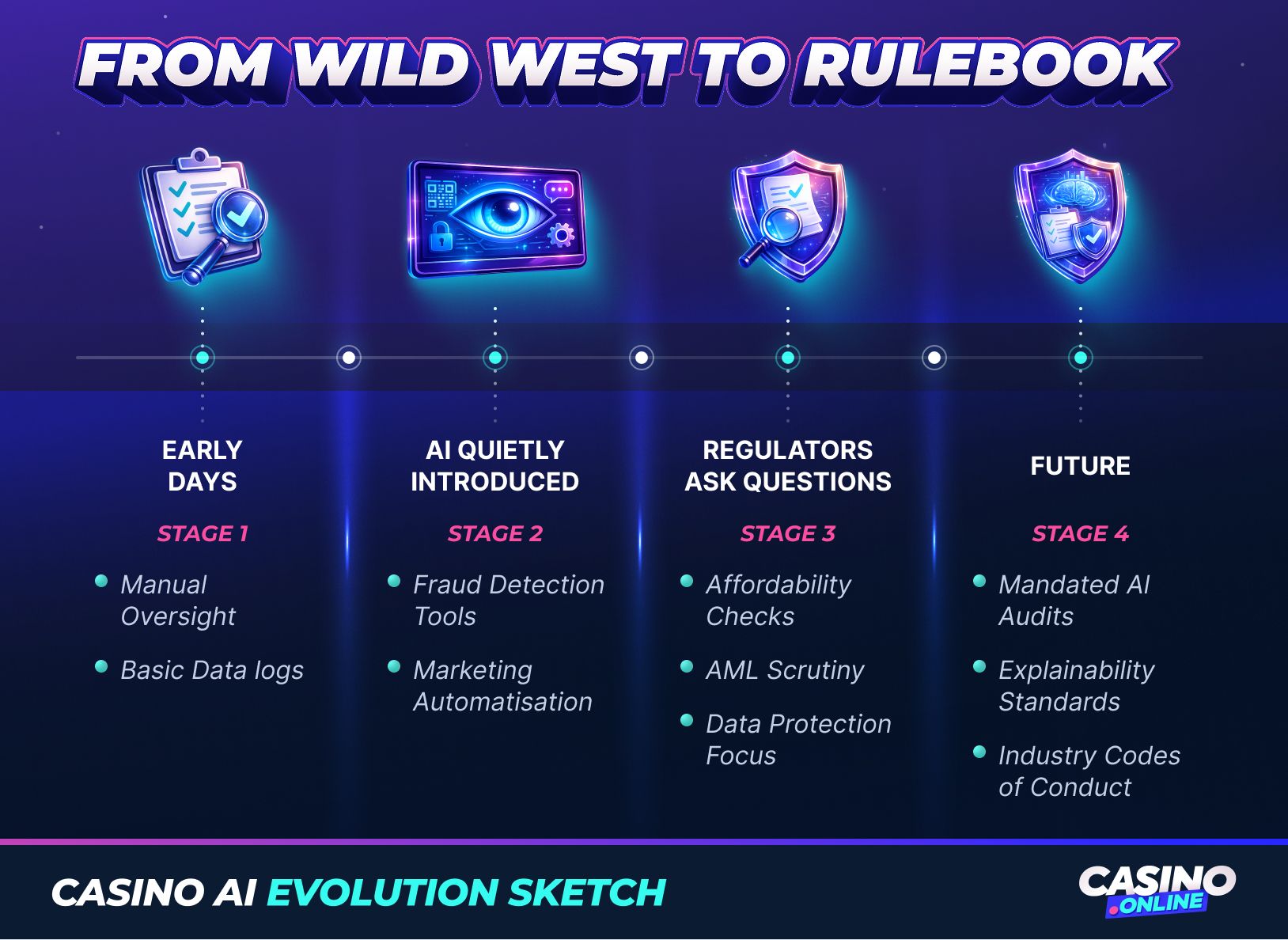
Regulators are slowly waking up to the fact that this is not just “more of the same with shinier software”. In markets such as the UK and across Europe, compliance teams are already grappling with how AI‑driven systems fit into existing rules on affordability checks, anti‑money‑laundering controls, and safer gambling.
The direction of travel is clear:
- If an algorithm is making decisions that affect players, from VIP upgrades to intervention triggers, regulators will increasingly expect those decisions to be auditable and explainable.
- Data‑protection laws already bite. Facial recognition, behavioural tracking, and cross‑device profiling all need clear legal bases, proper consent, and tight security.
- There is growing pressure for independent audits of AI tools used for risk detection and marketing, not just “trust us, the model says it is fine”.
For a wider look at how different countries are tightening the rules, see our Global Gambling Regulation Report.
Opinion of Andrew Collins
“Right now, we are somewhere between amateur league and professional era, a lot of enthusiasm and not enough structure. AI requires firm oversight, clear standards, and obvious lines of accountability. Without those, everyone is playing a high‑stakes match with no referee on the field.”
The Grey Zone: Ethics and AI
AI's ability to influence behaviour is both impressive and terrifying. Imagine a system that knows when you are vulnerable, tired, tipsy, or chasing losses, and then offers you a “can-not-miss” bonus at exactly that moment.
Some operators are now waking up to the need for boundaries. We are seeing more independent audits, transparency policies, and self‑exclusion algorithms. We are still, however, in the Wild West phase.
Opinion of Andrew Collins
“AI needs oversight, not just optimisation.”
If you or someone you know is struggling with gambling, please seek support. Start with our guide to recognising, preventing and getting help for gambling addiction. AI can help flag issues early, but it is up to humans, players, staff, and regulators to act responsibly. Technology can point to the exit. It cannot walk you through the door.
Looking Ahead: Smarter Tech, Bigger Questions
The next frontier includes AI‑powered live dealers, virtual reality blackjack, and compliance bots that may out‑regulate the regulators.
I suspect we will soon see online casinos that adapt not just to your betting behaviour but also to your mood, tone of voice, or even facial expressions through webcams. It is both thrilling and a bit dystopian. Think Nick Drake’s guitar tone, beautiful, intricate, and carrying a weight you cannot quite shake.
For players, stay sharp. Enjoy the perks, but keep your eyes open. For operators, use AI as a tool, not a trap.
Opinion of Andrew Collins
“At the end of the day, even in a world full of algorithms, it is the human experience that keeps people coming back.”
Practical Recommendations for the Road Ahead
Having emptied more slot machines than I care to count, both figuratively on spreadsheets and literally on casino floors, here is where the smart money should go next.
For operators:
- Build AI with safer gambling baked in from day one, not bolted on later as an afterthought. If a model can predict who is likely to respond to a bonus, it can also predict who is on a dangerous tilt.
- Hard‑code rules that prevent marketing systems from targeting players who are flagged as at risk, self‑excluded, or under affordability review. No override button for a big whale on tilt.
- Demand explainability from vendors. If you cannot explain, in plain English, why a model is flagging or targeting someone, you should not be using it on customers.
- Invest in staff training so frontline teams understand what the AI is doing and can challenge it. A good pit boss should still be able to overrule a bad algorithm.
For regulators and policymakers:
- Update guidance and licensing conditions to cover AI‑driven personalisation, automated decision‑making, and behavioural tracking explicitly.
- Require independent audits of high‑impact AI systems, including fraud tools, safer‑gambling engines, and marketing platforms, and publish at least high‑level findings so players know what is going on behind the curtain.
- Encourage industry‑wide standards for data retention, model monitoring, and player‑facing transparency, a code of conduct for casino AI.
For vendors and tech teams:
- Stop selling AI as pure revenue machinery. Build and market dual‑use tools that increase yield and reduce harm, with both metrics on the first slide, not hidden on the second.
- Design dashboards that make it easy for operators to see when models are drifting or when safer‑gambling flags are being routinely ignored.
- Collaborate with regulators and academics on research, not only with commercial teams on case studies.
For players:
- Treat personalisation as a signal that the house knows you very well, sometimes better than you know yourself on a bad day. Set your own limits before the system tries to set them for you. If you want to stack the odds in your favour, read our guide to data‑driven casino betting and learn how to think like the maths, not the marketing.
- Use the tools on offer: deposit limits, time‑outs, and reality checks. If the casino is genuinely serious about safer gambling, it will make these tools visible and easy to use.
- If something feels off, too many perfectly timed offers or too much pressure to come back, assume it is deliberate, not a coincidence. Walk away, regroup, and, if needed, get help.
Opinion of Andrew Collins
“From someone who has been in this game for years, here is the bottom line. The best casinos are not just the ones with the smartest tech. They are the ones that remember why we play in the first place, for the buzz, the stories, the shared moments, not for a machine‑perfect extraction curve.”
Got a favourite game or a war story from the AI‑driven floor? Drop a comment. Let us trade notes and make sure, together, that the future of casino AI hits the bullseye, not the back wall.
What Players Ask About Casino AI
Does AI control the outcomes of casino games?
No. AI does not change the random number generators (RNGs) that determine game outcomes in slots, roulette, or other games. Those remain independently tested and certified. What AI does control is the experience around the game: recommendations, bonuses, floor layouts, and personalisation. The house edge stays the same, but how the casino engages you before, during, and after play is now algorithm‑driven.
How does AI detect problem gambling behaviour?
AI monitors patterns such as increased bet sizes, longer sessions, chasing losses, and erratic play. It flags accounts that match known risk profiles and can trigger interventions like deposit limit prompts, cooling‑off notifications, or alerts to staff. The effectiveness depends entirely on whether operators act on those flags or ignore them in favour of revenue.
Can casinos use AI to target vulnerable players?
Yes, and some do. The same tools that spot at‑risk behaviour can also be used to send targeted offers at moments of vulnerability, tiredness, or financial pressure. This is one of the biggest ethical grey zones. Responsible operators hard‑code rules to block marketing to flagged players. Others do not. This is why regulatory oversight and transparency are critical.
Is my data safe when casinos use facial recognition and behavioural tracking?
It depends on the operator and the jurisdiction. In the UK and EU, facial recognition and tracking must comply with GDPR and data‑protection laws, meaning clear consent, secure storage, and limited retention. Offshore or poorly regulated casinos may not follow these standards. Always check privacy policies and licensing information before you play.
How has AI reduced fraud in online casinos?
AI can spot patterns humans miss: duplicate accounts with similar IP addresses, coordinated collusion at poker tables, bonus abuse across multiple devices, and suspicious win patterns. Platforms using AI‑driven fraud detection report drops in fraud‑related losses of up to 40 per cent, according to industry case studies. It is one of the clearest positive impacts of the technology.
Are AI‑powered slots rigged to make me lose more?
No, not in the traditional sense. The RNG and payout percentages (RTP) are still regulated and audited. What AI does is optimise engagement. It might adjust bonus frequency or game pacing based on your behaviour to keep you playing longer. That is not rigging the odds, but it is influencing how long you stay at the machine, which indirectly benefits the house. It is a fine line, and transparency is lacking.
Will regulators force casinos to explain how their AI works?
Increasingly, yes. Regulators in the UK and Europe are starting to demand explainability and auditability for AI systems that make decisions affecting players, especially around affordability, risk detection, and marketing. We are not there yet across the board, but the direction of travel is clear: if an algorithm affects your experience or limits, you will have the right to understand why.
References
iGB content team. (October 28, 2024). High stakes: AI and Machine Learning risks and opportunities in igaming. iGaming Business.
Elizabeth Sramek. (January 10, 2024). Personalization Algorithms: Tailor Casino Player Experience with Affiliate Software. Scaleo.
B Enos. (October 14, 2024). The Role of Artificial Intelligence in Modernizing Casino Operations. EnosTech.
marketingsplash. (April 25, 2025). How AI is Transforming Casino Marketing in 2025. MarketingSplash.






Written by
Andrew Collins
Author
I've spent over nine years at five leading iGaming firms - and long before that, I was emptying slots and balancing takings since 1992. From diving deep into slots and unearthing hidden betting strategies, I deliver witty, actionable advice that even seasoned bettors appreciate. Ready to elevate your play with me and casino.online? Let's get started!

Facts checked by
Jacob Evans
Content Writer & Casino Specialist
I'm Jacob Evans, your go-to expert in online gambling. With a robust background in casino gaming and a knack for breaking down complex betting strategies, I'm here to guide you through online casinos, sharing tips to help novices and seasoned bettors excel.